 PiscesTop
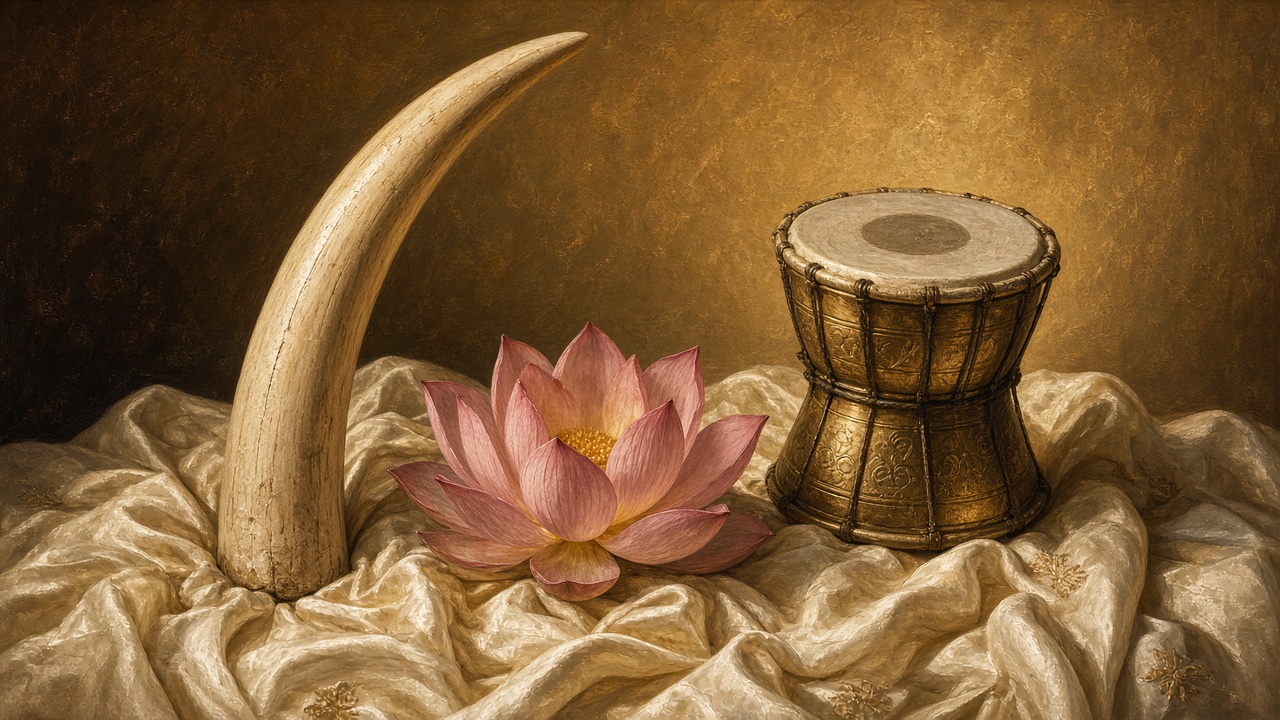
At a glance
| Nakshatra | Mula |
|---|---|
| Lord | Ketu |
| Deity | Nirriti |
| Symbol | tied roots |
| Gana | Rakshasa |
| Span | 240.00 to 253.33 degrees |
| Theme | uprooting and research to the root |
Use Jyothish AI
Jyothish AI calculates your birth chart with Swiss Ephemeris and Lahiri ayanamsa, draws all 16 varga charts, works out Vimshottari dasha to maha, antar, and pratyantar level, and explains the chart in plain language through the AI astrologer, Ask, and the daily panchang.
To apply this page to your own situation, get your free kundli and work through Mula nakshatra: lord, deity, symbol and meaning with your own numbers in front of you.
Who is lord when the nakshatra is Mula?
Ketu is the lord of Mula. When the note asks who holds that place, write Ketu and leave the word lord attached to the planet. Nirriti will take the deity line, so the planet and the deity are not the same entry. Say Ketu whenever the question is the lord of this nakshatra.
A record that names only the span has not named the lord. Add Ketu before the degree pair is treated as a full citation of Mula. The lord is a planet name on this page, and that name is Ketu. Tied roots and Rakshasa sit nearby, yet they do not replace the lord line.
Which deity is paired with Ketu?
Nirriti is the deity paired with Ketu on Mula. Ask for the deity and the answer is that name, spelled Nirriti. Ketu stays on the lord line while Nirriti takes its own line, and a reader should find either without blending them. Speak the deity by itself. The spelling is part of the fact.
The theme can be discussed and the deity is still waiting. Nirriti is short, which makes it easy to leave off a spoken summary of Mula. Put the name back in its own place, after Ketu and before the symbol. The deity of this nakshatra is Nirriti, and the symbol beside it is tied roots.
What symbol does Mula print?
Mula prints the symbol tied roots. The phrase is those two words, and both words stay when the symbol is copied. Ketu names the lord and Nirriti names the deity, while tied roots name the image. A citation that stops at the planet has skipped the symbol the page gives. Write tied roots.
Say the symbol after the deity so the ear hears Nirriti and tied roots as neighbors. The span may be the figure people remember, so give the image its own moment in the sentence. Mula is identified by tied roots as much as by the degrees printed with it. The image is tied roots.
How is the span from 240.00 to 253.33 copied?
Mula is quoted from 240.00 to 253.33 degrees. Read the lower number first and the higher number second, and keep every hundredth that is printed. A line that keeps only one of those figures is only half of the span. Restore the missing end before you pass the citation on.
Say the span after Ketu, Nirriti, and tied roots have been named. The degrees then land as a location for names the listener already holds. Rakshasa can be spoken with the span, since the gana is part of the same record. Mula occupies 240.00 to 253.33 degrees, and that is the reach to repeat.
What do uprooting and research to the root say?
The theme of Mula is uprooting and research to the root. Uprooting names the act of pulling something free from the place where it was fixed. Research to the root names inquiry that follows a matter back to its source. Keep both parts together when the meaning of the nakshatra is asked.
The symbol is tied roots while the theme speaks of uprooting, so the image and the meaning share this record. Research to the root can be said with uprooting, and neither part replaces Ketu or Nirriti. The meaning of Mula on this page is that pair of words. Say the theme as one line.
Questions people ask
Who is the lord of Mula?
Ask for the lord of Mula and the name to give is Ketu. The same citation also holds Nirriti as deity and tied roots as symbol. Its group name is Rakshasa, and its degrees run 240.00 to 253.33. The meaning kept with Ketu is uprooting and research to the root.
What is the deity of Mula?
Nirriti is the deity Mula prints, and the spelling should be copied as it stands. Ketu is the lord beside that name, with tied roots as the symbol. The gana is Rakshasa. The reach is 240.00 to 253.33 degrees, and the theme is uprooting and research to the root. Use that deity name.
What gana does Mula carry?
Rakshasa is the gana Mula carries. Leave the group word spelled as it is printed. Ketu, Nirriti, and tied roots are lord, deity, and symbol. The reach to place beside the gana is 240.00 to 253.33 degrees. Uprooting and research to the root stay the theme. Put Rakshasa where gana is asked.
What theme does Mula give?
Uprooting and research to the root are the meaning Mula gives. Pulling a thing free of where it was fixed, and following a matter to its source, is ordinary English for the printed theme. Ketu, Nirriti, tied roots, and Rakshasa stand with the span 240.00 to 253.33 degrees. Keep both halves.